Deck Construction for Small Spaces: Smart Solutions for Urban Residences
Deck building in city settings introduces unique challenges and opportunities. Restricted space demands creative design approaches that prioritize both functionality and aesthetics. Residents commonly aim to transform small outdoor areas into inviting retreats. By focusing on elements like dual-function furniture and efficient privacy options, these modest decks can transcend their role as mere outdoor extensions. The question remains: how can one maximize these small spaces without sacrificing comfort or style?
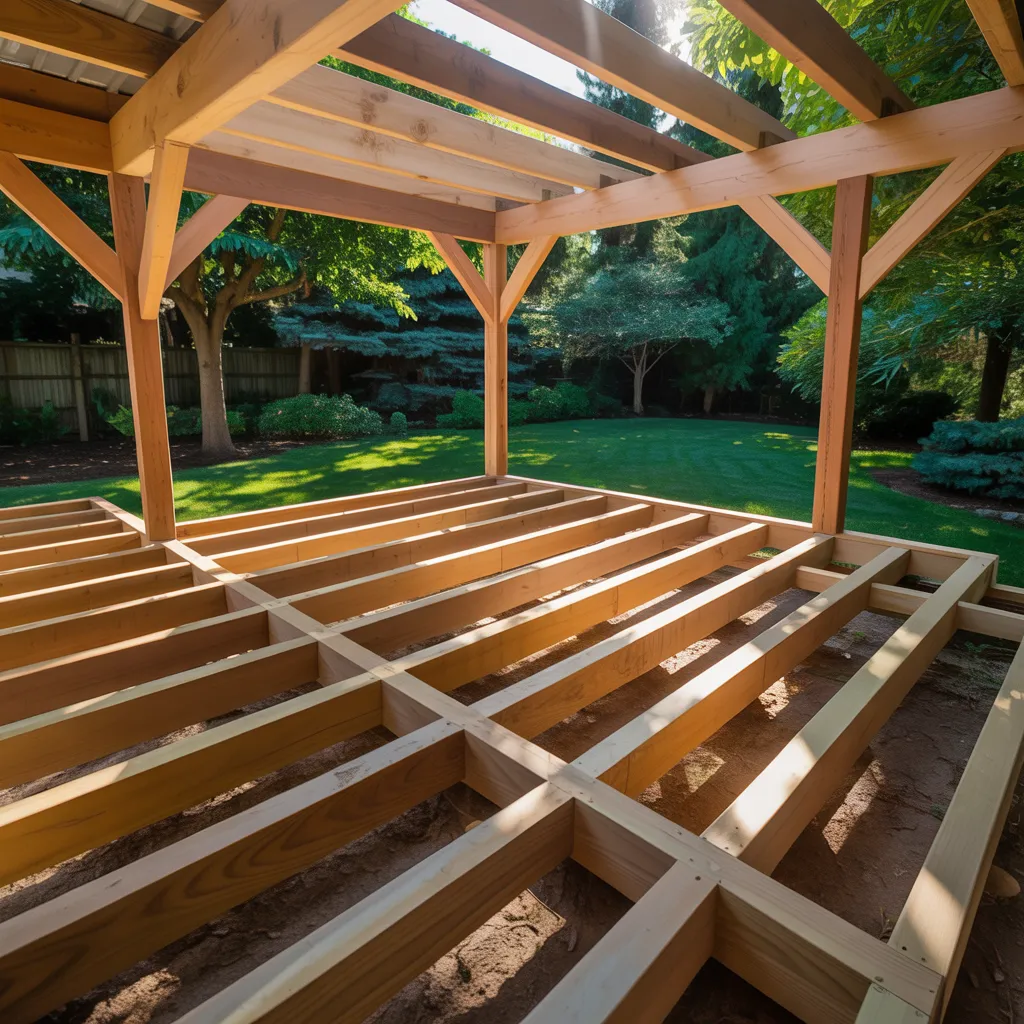
Optimizing Functionality in Small Spaces
In limited spaces, successful deck construction demands inventive design solutions that center around function. Expert designers typically highlight dual-function components to enhance functionality. For instance, adding permanent seating can reduce the need for large outdoor furniture, freeing up space for movement. Moreover, integrating storage solutions beneath seating or in side tables allows for neatly stowing away outdoor essentials, maintaining a clutter-free environment.
Vertical gardens are also capable of enhancing functionality by incorporating greenery without taking up precious floor space. Utilizing railings as planters or hanging pots can transform the deck into a vibrant oasis. Furthermore, utilizing adaptable layouts, such as modular furniture, allows for swift reconfiguration for diverse activities, from casual gatherings to serene retreats. Lastly, making the most of vertical space with overhead pergolas or trellises can establish a welcoming atmosphere while offering shade. Combined, these methods confirm that even the tiniest decks continue to be both useful and delightful.
Picking the Ideal Materials for Small Decks
Choosing appropriate materials for small decks significantly affects both visual appeal and practicality. In urban environments, where space is at a premium, the selection of materials can elevate the visual quality while ensuring durability. Composite deck materials is a commonly chosen option due to its easy care properties and ability to withstand the elements, making it ideal for tight outdoor spaces. Wood, particularly pressure-treated varieties or inherently decay-resistant species like cedar, provides warmth and a classic look but demands ongoing care.
Additionally, materials like aluminum or vinyl offer significant advantages, decreasing the burden on the structure and permitting flexible design choices. When considering aesthetics, color and texture play vital roles; softer hues can generate a feeling of openness, whereas textured finishes improve traction and safety. At the end of the day, the proper selection of materials will not only improve the look of a compact deck but also guarantee it remains both practical and sturdy in an urban context.
Intelligent Design Ideas for Compact Decks
Although optimizing the use of small decks presents its difficulties, smart spatial planning can turn these modest areas into charming outdoor sanctuaries. An efficient technique focuses on defining specific activity zones throughout the restricted area. To illustrate, a petite dining setup can be situated close to the railing, preserving the central space for easy movement. Incorporating built-in seating or storage solutions can further improve seating capacity without cluttering the area.
Another smart tactic is to include multipurpose furnishings, such as stools that serve as planters or tables equipped with hidden storage. This not only saves space but adds character. Upward gardening arrangements, like wall planters, can add lush greenery while preserving valuable floor space. Moreover, adopting a rounded or asymmetrical arrangement can create a more welcoming visual effect, making the deck feel more expansive. By thoughtfully arranging elements, even the smallest deck can transform into a cozy retreat, perfect for unwinding and hosting guests.
Ways to Create Privacy on Your Small Deck
Creating privacy on a small deck can be achieved through several effective methods. One commonly used method is the placement of vertical planters containing tall, leafy plants. They serve as a natural barrier while also improving the deck's visual appeal. Another option is to install outdoor curtains or bamboo screens, which can be drawn closed to block sightlines from neighbors. In addition, trellises fitted with climbing vines can deliver both effective privacy and a refreshing element of natural greenery.
Strategically placed outdoor furniture, such as a sectional sofa or a high bar table, can additionally establish distinct zones and create a sense of enclosure. For those seeking a lasting fix, adding a privacy screen or lattice structure can provide a solid barrier while allowing for airflow and light. In the end, integrating these features can convert a modest deck into a cozy hideaway, creating an appealing area for rest and socializing.
Versatile Furniture for Small Decks
When planning compact decks, multi-functional furniture becomes essential for maximizing utility. Space-saving seating solutions offer comfort while conserving valuable square footage, and adaptable storage options maintain an organized area. This approach not only boosts functionality but also fosters an appealing outdoor atmosphere.
Space-Saving Seating Solutions
Compact decks present unique challenges, especially regarding seating arrangements. To make the most of restricted areas, city residents can consider versatile furniture with multiple uses. To illustrate, seating benches with integrated storage can deliver both comfortable seating and a spot to store outdoor items. Foldable chairs and retractable tables provide adaptability, allowing homeowners to create an open area when needed. Stackable stools can be stored effortlessly, hosting more guests without cluttering the outdoor area. Additionally, integrated seating along the deck's edges can make effective use of vertical space. By incorporating these space-saving seating solutions, residents can transform their compact outdoor areas into functional and inviting retreats, facilitating leisure and connection in metropolitan surroundings.
Versatile Storage Options
Even though limited space presents obstacles, versatile storage options can enhance the functionality of small decks. Dual-purpose furniture, like benches featuring integrated storage compartments or ottomans that serve as storage boxes, delivers find guide effective answers for urban homeowners. Such items fulfill their main function while also maintaining tidy and organized outdoor spaces. Additionally, wall-mounted shelves or vertical planters can maximize vertical space, enabling decorative pieces or garden tools to be kept in an organized manner. Folding tables can be tucked away when not in use, freeing up valuable space. Such clever designs empower residents to craft appealing outdoor areas without compromising on vital storage, ensuring that limited deck spaces become more functional and delightful.
Innovative Lighting Ideas for Small Decks
How can you successfully light up a small deck while elevating its character? Creative lighting solutions can transform a compact outdoor space into a cozy retreat. Fairy lights are a favored option, providing a soft, welcoming radiance without overpowering the space. They can be draped along railings or overhead to create a whimsical canopy.
Solar-powered lanterns provide environmentally friendly solutions that need no electrical wiring, making them excellent for city environments. Positioning them thoughtfully around the deck can create defined areas and accentuate key features.
In addition, wall-mounted sconces or recessed lighting can free up floor space while offering task lighting for nighttime entertaining. Battery-powered LED candles can bring ambiance without the hazard of open flames.
Integrating such lighting choices not only improves safety but also highlights the deck's design, creating an inviting space for relaxation or entertaining, even in limited square footage.
Care Guidelines for Small Urban Decks
Maintaining a small urban deck can be simple with a few important practices. Routine cleaning is essential; a basic sweep followed by a wash with gentle soap and water can stop dirt from accumulating. It is recommended to check the deck routinely for evidence of deterioration, such as unsecured boards or worn fasteners, resolving these concerns immediately to avoid larger repairs.
Using a protective coating yearly will enhance resistance against environmental conditions. Furthermore, organizing furniture and plants neatly arranged can avoid overcrowding, promoting better air circulation and sunlight, which inhibits the growth of mold.
Homeowners with wooden decks, smoothing rough areas and applying fresh stain when necessary can extend the deck's life and preserve its appearance. Additionally, it is worth considering using furniture covers during harsh weather to safeguard your outdoor furnishings. By adhering to these guidelines, urban homeowners can make the most of their compact outdoor spaces while ensuring longevity and appeal.

Questions We Get Asked Often
What Are the Best Plants for Small Deck Gardens?
For compact deck gardens, compact plants like herbs, succulents, and dwarf varieties of flowers or shrubs are ideal. Such options optimize available space while delivering visual charm and utility, resulting in a lively and inviting outdoor setting.
How Can I Address Deck Drainage Problems?
To address deck drainage issues, you should ensure the correct slope, incorporate drainage channels, and look into water-permeable decking materials. Ongoing care, like removing debris from gutters and downspouts, will further help reduce standing water on the deck.
Can I Install a Small Deck on a Balcony?
Yes, a small deck can be set up on a balcony, so long as it satisfies weight restrictions and regional construction regulations. Thorough preparation and construction materials are essential to guarantee safe and practical use in these compact settings.
How Much Does It Cost to Build a Small Deck on Average?
The typical cost of constructing a small deck is estimated at $15 to $35 per square foot, depending on materials, design complexity, and local labor rates. Additional factors may influence overall expenses and project scope.
How Do I Ensure Safety on a Small Deck?
To ensure security on a small deck, one should use sturdy materials, routinely check for damage, keep proper railings, guarantee adequate weight distribution, and follow local building codes to prevent accidents and enhance usability.